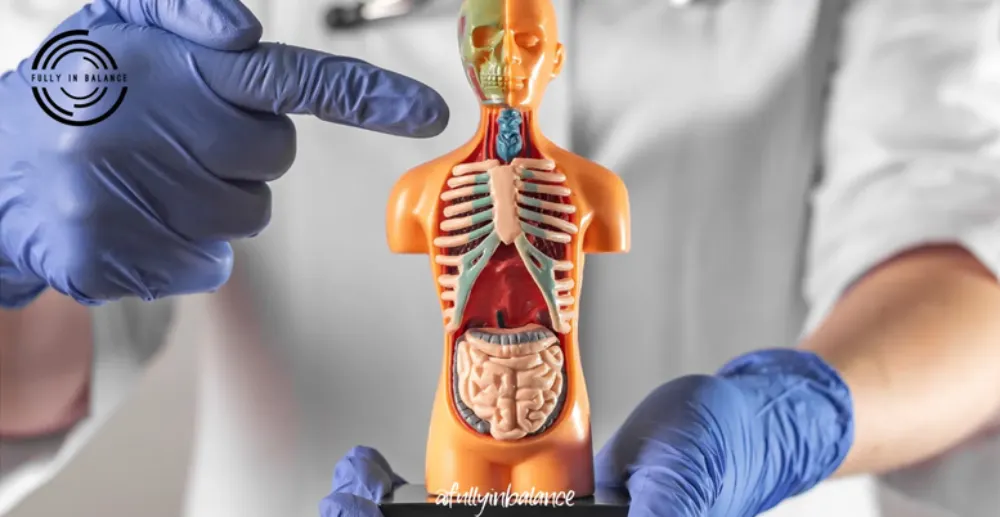
Start With Your Gut: Your Body Is Telling You Something
We all grew up hearing "trust your gut." It wasn't until I was in nutrition school that I understood what that meant, and how much your gut really does for your whole body, not just digestion.
So let's start simple. Your gut is basically the part of your body that turns the food you eat into fuel, the energy, vitamins, and nutrients your body runs on. That's the basic version. But it turns out your gut does a lot more than that, and once you understand it, you look at your whole body differently.
Your gut affects your energy, your mood, your hormones, and even how your body handles stress, and most of us were never taught to think of it that way. There's a real reason the phrase "it all starts with the gut" keeps coming back, the gastrointestinal tract is connected to nearly every system in your body.
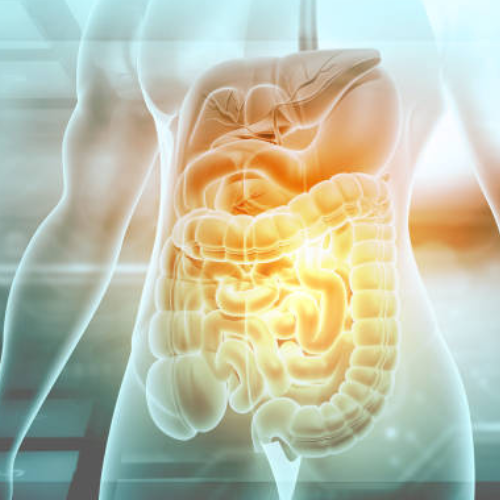
Food carries memory in a Jewish home. It's Shabbos tables, Yom Tov, what your grandmother cooked, what shows up at every simcha, it's how we connect. When digestion feels off, it can pull you out of that, out of feeling fully present at the table with everyone else.
What Does Your Gut Actually Do?
Your gut breaks food down into what your body needs, vitamins, minerals, energy, the raw material your cells run on. When that process is working well, you feel it. When it isn't, that shows up too, sometimes as digestion, sometimes as fatigue or mood you can't quite explain.
What Is the Gut Microbiome?
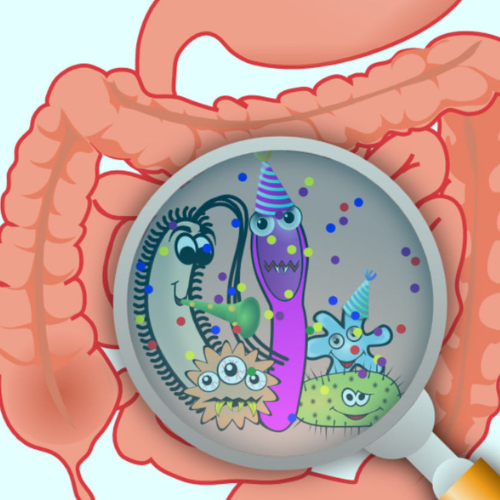
Inside your gut lives a whole community of bacteria and microorganisms that does real work in digestion, metabolism, and immune function. A balanced microbiome supports your health broadly.
How Does Your Gut Affect Your Hormones?
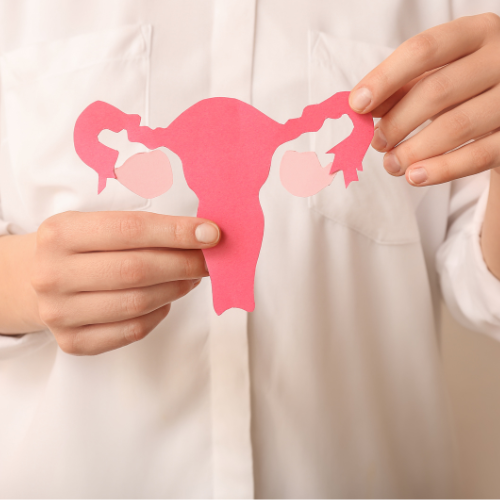
The gut is also involved in producing and metabolizing hormones that affect appetite, mood, and how your body responds to stress. A gut that's working well supports steadier hormones, and steadier hormones support a gut that works well. It moves in both directions.
How Are Your Gut and Brain Connected?
Your gut and your brain are in constant communication, what's known as the gut-brain axis. Stress and emotion genuinely affect digestion, and digestion affects mood right back. If you've ever noticed your stomach reacting before a hard conversation or a stressful week, that's the gut-brain connection at work.
Some of the stress we carry as Jewish women is generational, inherited urgency, a nervous system shaped by more than our own lifetime. There's more going on under the surface than food alone, and BH, we get to keep working with our bodies, not against them.
Your gut isn't separate from the rest of you, physically or spiritually. Taking care of it is one more way of taking care of the whole person Hashem gave you to be.
How Does Gut Health Affect Inflammation?

An unhealthy gut can lead to chronic inflammation, which is connected to a range of health concerns including autoimmune conditions. Keeping your gut healthy is one real way to keep inflammation in check.
Ashkenazi Jews carry a two to four times higher risk of inflammatory bowel disease, conditions like Crohn's and colitis. It's a genetic pattern, and while it can't be undone, there's real research on how food and lifestyle support managing it well.
What Actually Helps Your Gut?
Now that you understand how much your gut is doing, here are simple, real ways to support it.
- Nourishing foods. Fill your plate with a colorful mix of fruits, vegetables, whole grains, and protein. These are what your gut needs to do its job well.
- Manage stress. A few minutes of deep breathing, a walk, or just quiet time helps keep your nervous system calm, and a calm nervous system supports a calm gut.
- Limit antibiotics. They have their place, but they disrupt your microbiome. Use them only when your doctor says you need them.
- Stay hydrated. Water throughout the day keeps digestion moving the way it's meant to.
- Embrace probiotics. Foods like yogurt, kefir, and sauerkraut help keep your gut's natural balance.
- Get real support. If you want the recipes and structure done for you instead of figuring it out alone, that's exactly what the 5 Day Reset is built for.
If you want more on this, I wrote about helping your digestion with food in more depth here.
Gut is really just one piece of a bigger picture, your body is talking to you constantly, through your skin, your cycle, your sleep, your energy. Once you start listening in one place, you start noticing it everywhere else too.
Start small, stay consistent, and let your body show you what it needs.
"I joined Dalia's 5-Day Reset after seeing her emails and thought it sounded interesting, and I'm so glad I did. Within just a few days, I felt lighter and noticed my face was less bloated. Dalia's guidance was so clear and encouraging. The investment is truly worth it, you get more than you expect in just five days."
Sharon
About Dalia Brunschwig
Dalia Brunschwig is a Certified nutrition coach and founder of Fully in Balance. She helps Jewish women reconnect to their health through real food, structure, and awareness without guilt, pressure, or restriction.